The incidence and mortality of primary brain cancers is rising, especially among the young population. Despite extensive research, there are currently no effective therapeutic modalities or preventive strategies for the glioblastoma, the most common and most lethal primary brain tumor inadults.
There is limited set of predictive and prognostic biomarkers for glioblastoma. Invasive glioblastoma cells that remain in the patient’s brain tissue after surgical removal and treatment are drivers of tumor regrowth. Several studies demonstrate that greater tumor resection is associated with improved patient survival. Currently, there is a gap in knowledge on biomarkers that could identify rapidly invasive cancer cells. The invasive edge of glioblastoma is understudied, mainly due to the limited availability of patient-derived biological material. Current knowledge about glioblastoma biology comes mainly from the analysis of bulk tumor collected during biopsy or surgery. Nonetheless, as invasive cells, rather than bulk cells, drive recurrence, potential differences between these populations would have profound therapeutic implications. In the proposed project, the selection of biomarkers will be based on cell cultures obtained from patient-derived tissue biopsies that capture a unique genetic background and the invasive nature of the tumors. Our translational platform GlioBanka allows us to conduct research using cancer cell cultures isolated from the invasive tumormargin (rim) of patients. By establishing three-dimensional cell models of glioblastoma and treatment modelling, we will mimic the tumor microenvironment and standard-of-care treatment. The biomarkers obtained in the project will be based on the detection of invasive and treatment-refractory cancer cells, which represent cells that remain in the brain tissue after treatment.
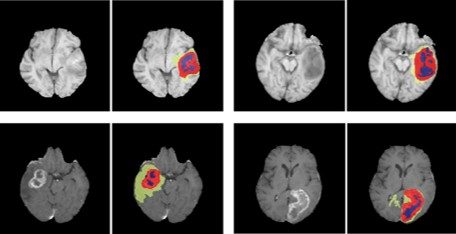
The diagnosis of brain tumors is currently based mainly on histopathological examinations and molecular analysis. Removal of tumor tissue posesa risk of morbidity and mortality, especially in the elderly and due to tumors in the affected areas. Despite the advantages of testing tumor biomarkers using molecular biology, its wider clinical application remains a challenge due to the high costs and risks for patients due to tissue sampling. Therefore, we aim to develop a new approach with radiogenomics that is cost-effective and risk-free for patients. Radiogenomics is based on magnetic resonance imaging (MRI) of the entire tumor in its quantitative analysis using a machine learning approach and enables early prediction of the tumor biological characteristics and the outcome of patient treatment without invasive procedures.
The challenges and objectives of proposed project require interdisciplinary team. The project will promote the advancement of all these disciplines and digital transition.
Project partners:
- National Institute of Biology (leading)
- Faculty of Computer and Information Science University of Ljubljana
- University Medical Centre Ljubljana
- Institute of Pathology, Faculty of Medicine, University of Ljubljana
- Institute of Oncology Ljubljana
We are open for collaborations, if you’re interested please contact Barbara Breznik Vittori, PhD
.