Teme, ki jih poznate iz vsakdana
Ritmi nas obdajajo na vsakem koraku našega življenja. Ko naš planet Zemlja potuje skozi vesolje se neprestano ritmično vrti okoli svoje osi in vsako leto obkroži Sonce. Iz teh dveh ritmičnih gibanj izhajata temeljna ritma na našem planetu: menjavanje dneva in noči ter menjavanje letnih časov. Tema ritmoma se je skozi milijone let prilagodilo življenje na Zemlji in tako kamor koli pogledamo, opazimo procese, ki se vedno znova ponavljajo. Nekateri trajajo delček sekunde, drugi ure, dneve ali leta.
Ritmi oblikujejo delovanje celotnih ekosistemov. Vsako pomlad ozelenijo gozdovi, številne rastline zacvetijo, jeseni pa odvržejo liste in preidejo v obdobje mirovanja. Ptice selivke se vsako leto odpravijo na dolge poti med gnezditvenimi območji in prezimovališči, nekatere živali pa zimo prespijo. Tudi morje sledi letnemu ritmu. Njegova temperatura se med letom spreminja, te spremembe pa vplivajo na življenje morskih organizmov. Ob ugodnih razmerah se lahko močno poveča številčnost mikroskopskih alg oziroma fitoplanktona, kar poznamo kot cvetenje morja. Tudi številne rastlinske bolezni imajo svoje značilne letne ritme, saj je njihov razvoj odvisen od temperature, vlage in razvojne stopnje gostiteljske rastline.
Iz semena vzklije kalica, iz nje zraste rastlina, ki zacveti in naredi nova semena, s katerimi se življenjski krog začne znova. Podobno pri živalih mladiči zrastejo v odrasle živali in skotijo novo generacijo potomcev. Tudi človekovo življenje poteka v zaporedju razvojnih obdobij od otroštva do odraslosti in starosti, zaporedna obdobja pa najdemo tudi v poklicni poti ljudi.
Ritmi pa ne potekajo le okoli nas, temveč tudi v nas in v vsakem živem organizmu tako zaradi menjavanja dneva in noči usmerja kot tudi zaradi delovanje notranjih bioloških ur. Mnoge rastline podnevi odpirajo cvetove in listne reže in jih ponoči zapirajo in v mnogih fotosinteza poteka le podnevi. Številne živali so dejavne predvsem podnevi, druge pa ponoči. Tudi človekovo telo deluje ritmično: izmenjujeta se budnost in spanje, dihanje pa neprestano prehaja iz vdiha v izdih.
Svoje življenjske cikle imajo celo predmeti, od izdelave, prodaje, uporabe, hrambe in zavrženja, arheologi pa nekaterim predmetom lahko podarijo nov življenjski cikel. V prihodnosti pa nas čaka vse več ritmov, ki bodo povezani z roboti.
Glavni cilj projekta RhythmOfLife je čim širši javnosti približati te ritme življenja ter znanosti in raziskovalce, ki jih proučujejo, ter pokazati, kako je znanost povezana z vsakdanjimi ritmi v življenju ljudi.
Utrip projekta: dva ključna sklopa
Poudarka projekta sta dva: Noč raziskovalcev in Raziskovalci v šolah. Noč raziskovalcev bo potekala zadnji petek v septembru 2026 in 2027. Dogodki Raziskovalci v šolah pa bodo potekali peko celotnih let 2026 in 2027. V obeh sklopih bo deset partnerjev projekta obiskovalcem dogodkov predstavilo ritme življenja živali, ritme življenja rastlin, ritme ekosistemov in ritme vesolja, ritme preteklosti in prihodnosti, motnje ritmov v naših telesih, pa tudi cikle v znanosti in znanstvenih karierah.
Aktualnost tem
Vsebine so izbrane tako, da jih ljudje poznamo iz lastnih izkušenj, hkrati pa so pomembne tudi za slovenske in evropske strategije (npr. Zeleni dogovor, Strategija EU za biotsko raznovrstnost, boj proti raku, vesoljski program EU).
Kje ujamete ritem
Dogodki Noči raziskovalcev bodo potekali v Ljubljani, Celju, Novem mestu, Piranu in Kopru, pa tudi v manjših krajih, kot so Lovrenc na Pohorju, Ruše, Vitanje, Podsreda in Trenta.
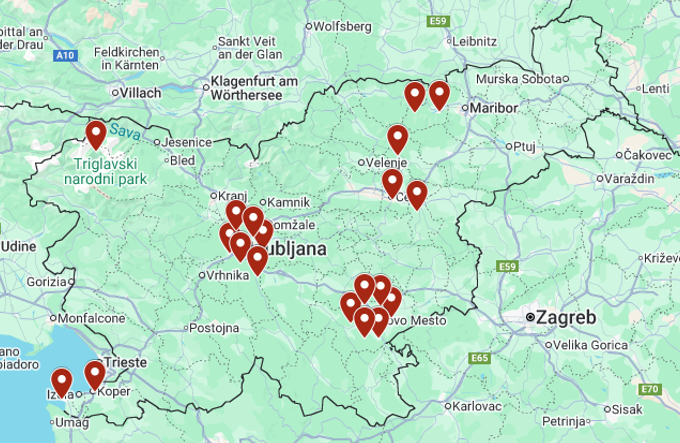
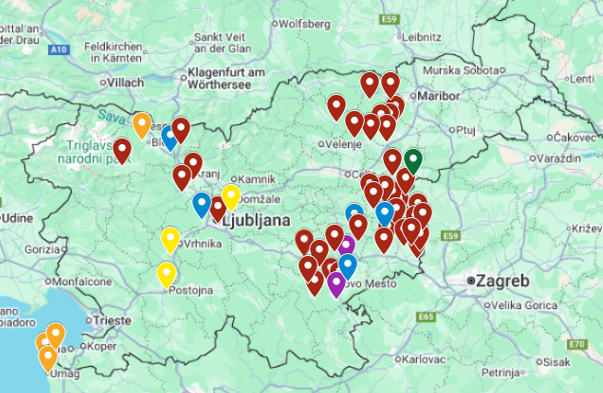
Dogodki Raziskovalci v šolah bodo potekali na različnih osnovnih šolah (označene z rdečo), srednjih šolah (označene z vijolično), vrtcih (označeni z modro), šolah za osebe s posebnimi potrebami (označene z zeleno), centrih za priseljence (označeni z rumeno) in poletnih taborov (označeni z oranžno), ki jih bodo obiskali raziskovalci.
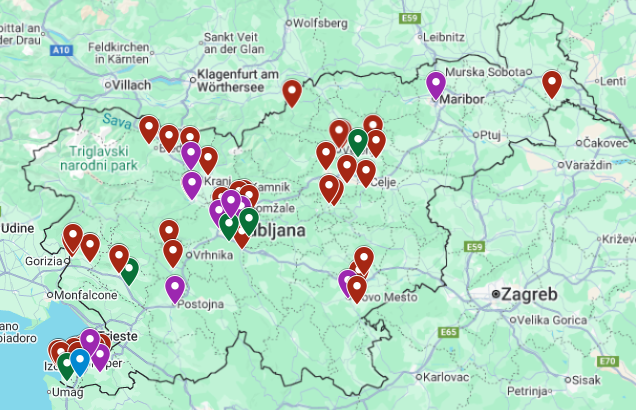
Poleg tega bodo tudi različne osnovne šole (označene z rdečo), srednje šole (označene z vijolično), vrtci (označeni z modro) in šole za osebe s posebnimi potrebami (označene z zeleno) prišle v raziskovalne ustanove: na NIB v Ljubljani in Piranu ter v LabTOP v Novem mestu.
Znanost za vsakogar
Verjamemo, da ima znanost pomen za prav vse ljudi in mora biti zato dostopna vsem. Zato bomo posebno pozornost namenili vključevanju skupin, ki se dogodkov ponavadi udeležujejo redkeje – starejšim, socialno šibkejšim, osebam s posebnimi potrebami in migrantom.