Humans have multiple terms to describe types of landscapes—forestscape, cityscape, riverscape, marinescape, and more. We classify landscapes into categories based on what we see with our eyes, which function on the basis of light. However, every landscape is also characterized by a distinctive sound. The description of a landscape based on its sounds is called a soundscape. Sound is a mechanical wave of preassure in a medium that humans perceive through their ears. These sounds can be of non-living origin, such as wind, raindrops, the rustle of a waterfall, or the rumble of a storm, but landscapes also contain a vast amount of sounds produced by living beings. Practically every animal species makes sounds, each with a characteristic tone that allows for its reliable identification. Because of this, as well as certain properties of sound, biodiversity research is increasingly using methods that record the sound instead of the visual information. One of the major advantages of sound over sight is, for example, that it is less sensitive to obstacles. An animal emitting a sound can be heard 'around a corner,' whereas it can only be seen if the line of sight to it is unobstructed. This lecture will present new research trends and the fundamental characteristics of the avian soundscpe.
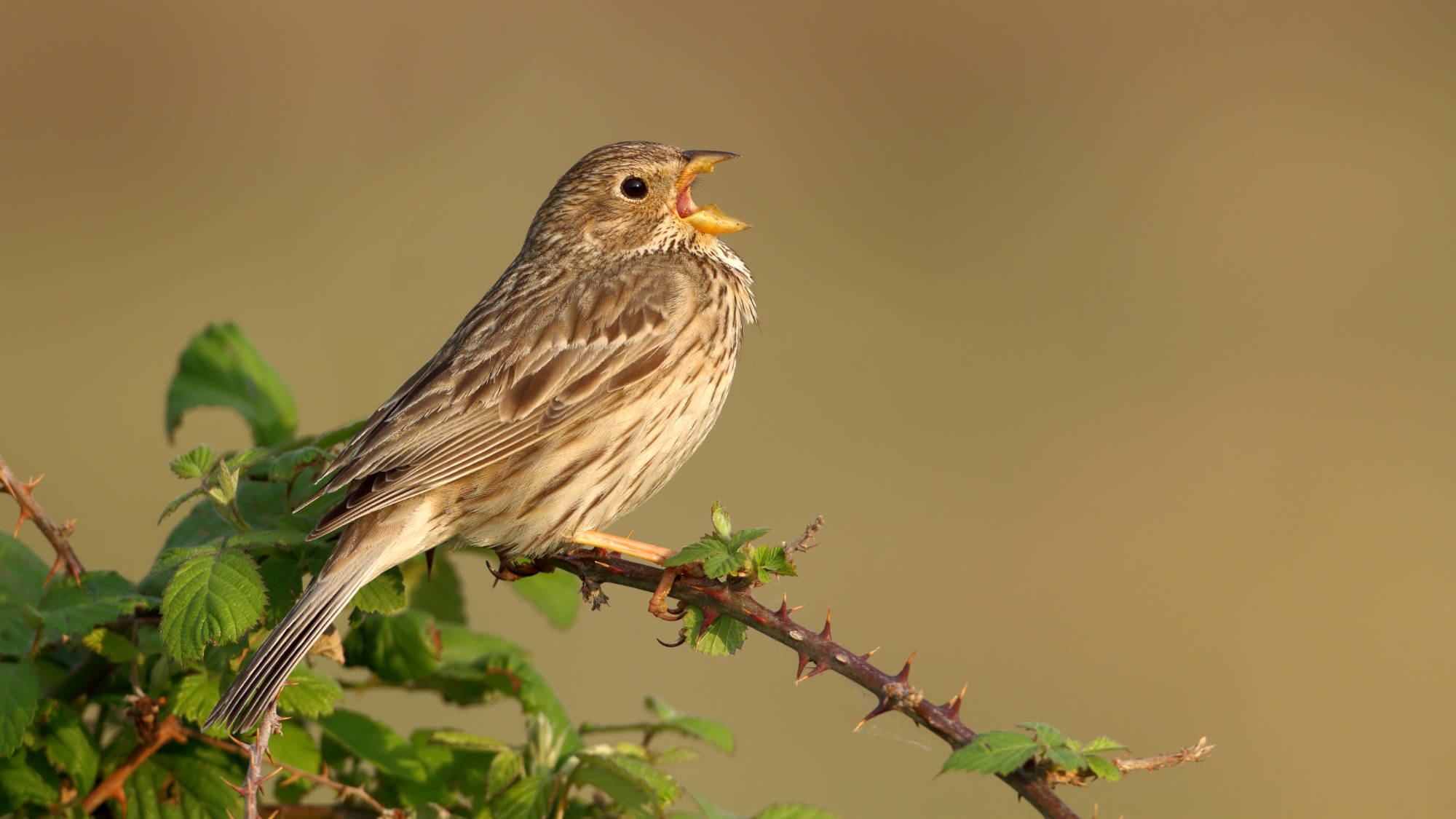
Photo: dr. Davorin Tome