The project set out to acomplish the following objectives:
Objective 1: To study plant viromes of different plant communities (wild terrestrial and aquatic plants, crops) in different environments (natural, agricultural, agro-ecological interface) within the ecosystem.
Objective 2: To study plant viruses discharged from urban wastewater and their presence in the environment (downstream river water).
Objective 3: To compare viromes of crops, wild plants (terrestrial and aquatic) and water samples and study observed overlaps and potential associations to improve our understanding of plant virus transmission amongst different plant species and different fractions of the ecosystem.
Objective 4: To develop an experimental workflow for studying underexplored viromes of aquatic plants and possible influences that plant viruses found in water have on these plants.
To address these objectives, we conducted detailed analysis of viromes from a range of terrestrial and aquatic plants, river water, and wastewater. We found that both plant and water samples contained numerous known and novel viruses from viral families infecting diverse hosts, including bacteria, plants, insects, and vertebrates. We examined which viruses occurred in which sample types and how frequently they overlapped between different environments, thereby enhancing our understanding of viral dynamics in the ecosystem. Through the analyses of wastewater and river viromes, we showed that human activities significantly influence the structure and ecology of viral communities within the studied system (Figure 1).

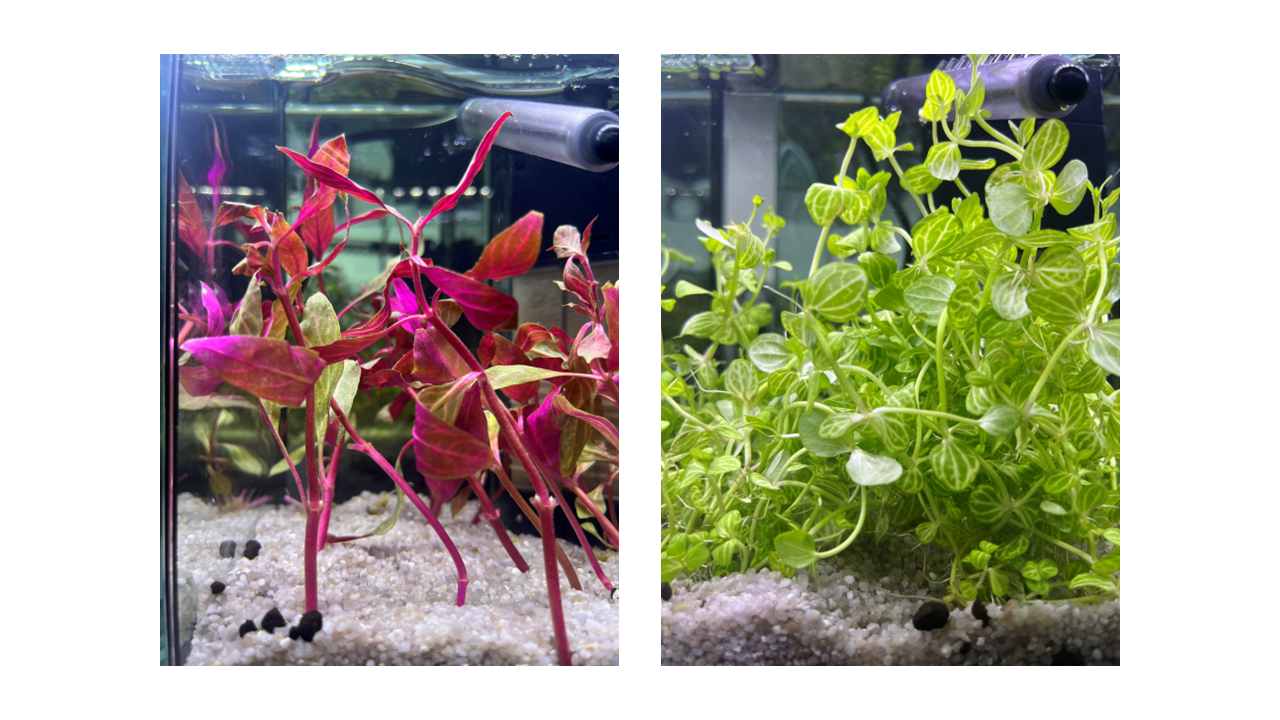
We also showed that both wild and ornamental aquatic plants harbour diverse viruses, including potentially problematic crop pathogens (Figure 2).